
What makes a woman “modern,” anyway?

Updated: Nov 14, 2025

After walking through the Dangerously Modern exhibition at the Art Gallery of NSW, I found myself wondering what actually makes a woman modern today?
In the early 1900s, a woman traveling alone was considered modern. Studying in Europe? Very modern. Wearing a colour that wasn’t beige? Practically anarchic! Painting anything other than a polite floral still life? Someone fetch the smelling salts!

The women in the exhibition were simply living fully, curiously, and ambitiously, yet somehow (to some people) that constituted a cultural threat.

The women weren’t trying to rewrite history, they were just refusing to stay in the box that had been drawn for them. And that, back then, was enough to earn them the label dangerously modern.

But, what makes a woman modern today?
Is it having a successful career? Earning more than your significant other? Asking your partner to perform their share of domestic duties? If so, guilty as charged!

But, in reality, it’s about the same old thing. It’s about women:
Choosing themselves even when it’s inconvenient
Refusing to apologise for taking up space or time
Staying curious when the world wants them tired
Creating something new rather than repeating what’s expected
Letting their minds travel, even when their physical lives feel anchored
Daring, in small ways, to disrupt the script.

The artists in Dangerously Modern weren’t dangerous because they painted differently. They were dangerous because they lived differently… and the world wasn’t ready for that then. Perhaps it still isn’t ready for that now. But so what?! History has never been ready for women who know exactly what they want and how they want to do it. But we do it anyway!
So, tell me, what “dangerous” little act of modernity will you commit today?
x Victoria

Dangerously Modern: Australian Women Artists in Europe 1890–1940 is showing at the Art Gallery of New South Wales until 15 February 2026. Tickets are available via the gallery website. Find out more here.
About Victoria Hall
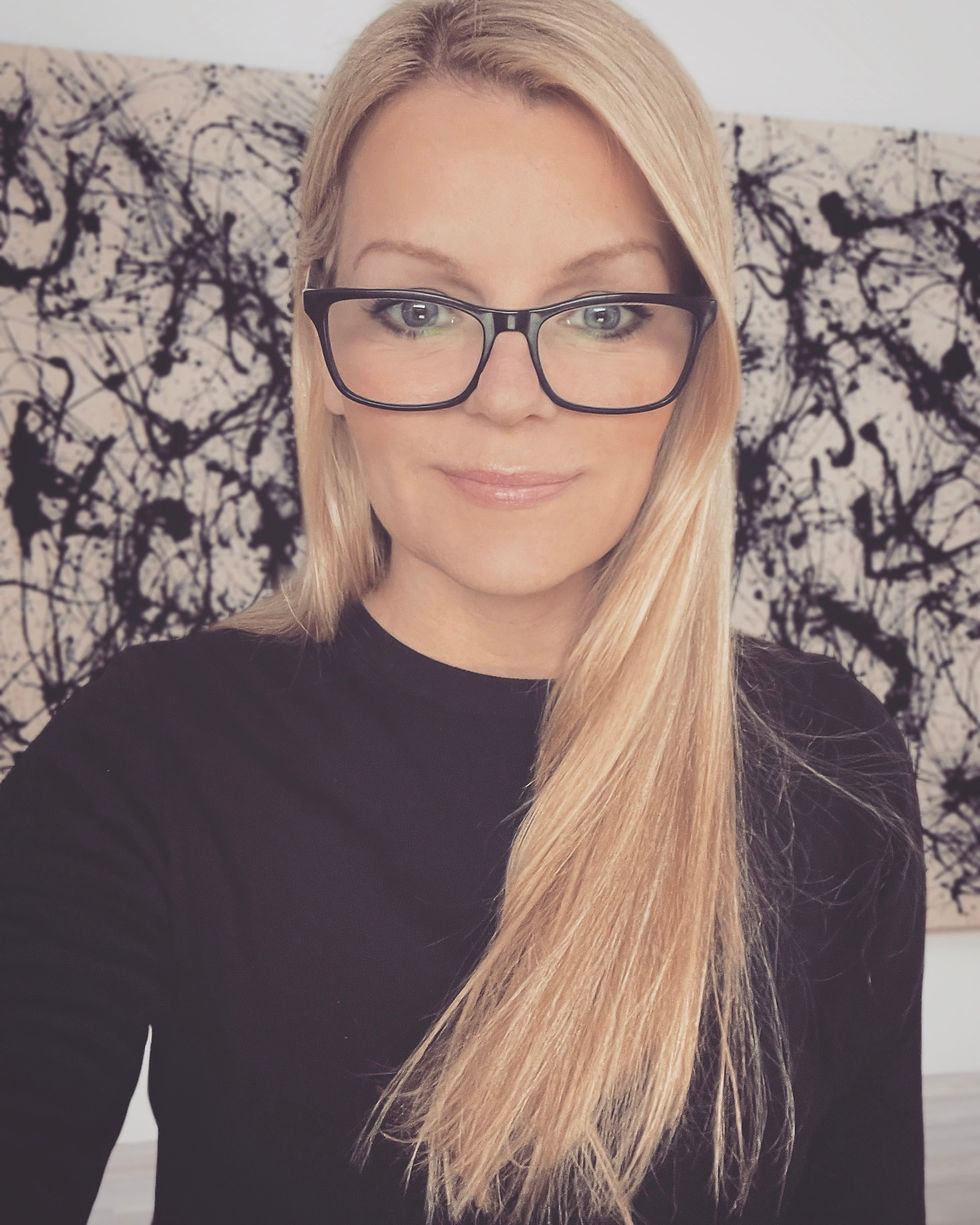
Victoria Hall is a British-born writer and artist living in Sydney, Australia. Her life of traveling and moving overseas fuels a creative practice rooted in quiet (and sometimes not-so-quiet) rebellion. A communications expert at the University of Sydney, Victoria blends everyday rituals with the dangerously modern spirit of honesty, curiosity and creativity. For more updates on Victoria’s journey, follow her on Instagram or check out her bio here.


Comments